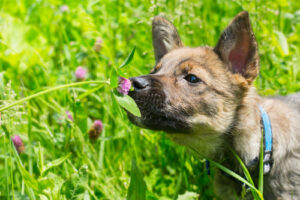

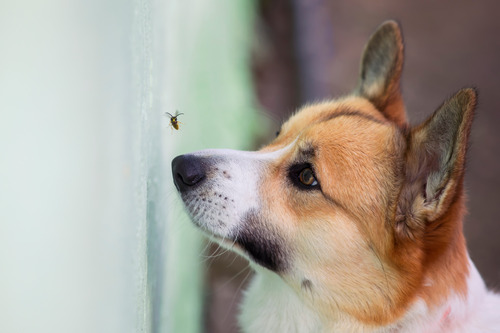
Bee stings happen quickly and often when dogs explore outdoors. Curious noses and playful paws put them near flowers, gardens, and grassy areas where bees are active. Seeing your pet react in pain can be upsetting, especially if you’re unsure how serious the sting might be. Understanding what to look for, how to respond, and when to contact your veterinarian helps protect your dog’s comfort and health. This blog explores what happens when a dog is stung by a bee, how to recognize normal vs. concerning reactions, and when to seek veterinary attention. By the end, you’ll feel more confident in knowing what steps to take and how to help your pet stay safe during outdoor adventures.
Why Dogs Get Stung by Bees
Dogs run, sniff, and play in environments where bees are active. Their natural curiosity often leads them to inspect buzzing insects, which can result in a sting if the bee feels threatened. Many dogs experience a sting at least once in their lifetime.
Where Stings Commonly Occur
Bee stings typically happen:
- On the nose or face
- On the paws from stepping on a bee
- In the mouth if a dog tries to bite or catch the insect
These areas are sensitive, which explains why the reaction may appear dramatic, even when the sting is mild.
How Bees Sting
A bee’s stinger releases a small amount of venom into the skin. This venom triggers swelling and irritation at the sting site. Dogs react differently to the venom depending on their sensitivity, the number of stings, and the location on the body.
Signs and Symptoms of a Bee Sting
Recognizing the signs helps you respond appropriately. When a dog is stung by a bee, the immediate symptom is discomfort, but the full reaction can vary. Most dogs show:
- Sudden yelp or cry
- Pawing at the sting location
- Licking or chewing the area
- Swelling and redness
- Sensitivity when the spot is touched
These reactions are typically mild and local. However, it’s important to monitor your dog closely for changes after the sting.
Signs That Require Immediate Veterinary Attention
Some dogs experience stronger reactions. Contact your veterinarian or seek emergency care if your dog shows:
- Swelling of the face or muzzle that progresses quickly
- Hives or widespread skin swelling
- Difficulty breathing
- Vomiting or diarrhea
- Weakness, disorientation, or collapse
These symptoms may indicate a more serious response. Montgomery Veterinary Associates can provide timely support and care if your dog shows any concerning signs.
What Happens in a Dog’s Body After a Bee Sting
A bee sting triggers the immune system. The venom causes the body to release chemicals that lead to inflammation. This is why dogs may show swelling at the site of the sting.
Localized Reactions
Localized reactions are the most common. The swelling usually develops within minutes and may feel warm to the touch. Your dog may be alert and otherwise acting normally aside from the discomfort.
Systemic Reactions
Systemic reactions involve the whole body and require medical attention. These reactions may develop rapidly and can progress quickly. If you notice breathing changes, swelling spreading beyond the sting site, or behavioral changes, call your veterinarian.
Treating a Dog Stung by a Bee
Veterinarians evaluate the sting, assess your dog’s reaction level, and determine what type of care is appropriate. Treatment supports comfort and helps prevent complications. Depending on your dog’s symptoms, your veterinarian may recommend monitoring at home or may provide care at the clinic. If your dog was stung by a bee and you are unsure how they are responding, call Montgomery Veterinary Associates. Our team will guide you based on your pet’s symptoms.
How You Can Help Prevent Future Bee Stings
While it’s impossible to avoid every bee encounter, awareness helps reduce the risk of your dog being stung again.
Outdoor Awareness
Pay attention to:
- Flowering plants in your yard or walking route
- Ground-level clover patches
- Outdoor areas with active hives or nests
During high bee activity seasons, bees are more likely to be found near water sources and blooming vegetation.
Training and Redirection
Teaching your dog to avoid chasing insects can help lower risk. Redirect their attention with toys or activities during outdoor play. Supervision is especially helpful for puppies and curious dogs.
Yard Maintenance
Reducing attractants in your yard can help decrease bee presence:
- Keep grass trimmed
- Remove standing water
- Monitor flowering plants near pet play areas
When to Call Montgomery Veterinary Associates
Any time your dog is stung by a bee and you feel unsure, contacting your veterinarian offers peace of mind. Our team will help you determine whether your dog needs to be seen or monitored at home. Quick communication can make a meaningful difference in your pet’s comfort and wellbeing. Call us if:
- The sting is near the face, throat, or inside the mouth
- Your dog has been stung multiple times
- Swelling increases over time instead of decreasing
- Your dog has had a previous reaction to bee stings
- You notice any concerning changes after the sting
Caring for Your Dog Post-Sting
Your dog depends on you for help during uncomfortable moments. Providing a calm environment and monitoring their behavior can make the recovery period less stressful. If symptoms seem to worsen or you feel uncertain, call Montgomery Veterinary Associates in Montgomery, AL for guidance and support. We’re here to help you navigate any concern, big or small. If your dog was stung by a bee and you need assistance, call us today or book an appointment online. Our team is ready to support your pet’s comfort and wellbeing with compassionate, local care.