

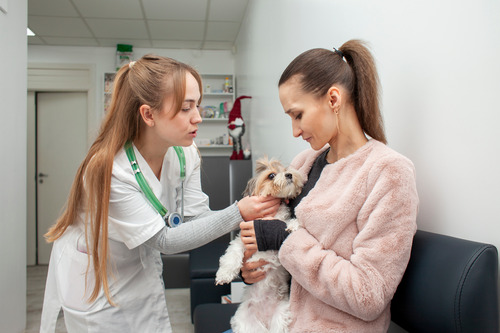
When you notice sudden changes in your dog’s behavior, appetite, or mobility, it can be difficult to know whether the situation calls for an immediate trip to the emergency vet. The term emergency vet refers to veterinary services that provide urgent, same-day care for situations that cannot wait for a routine appointment. In Montgomery, AL, Montgomery Veterinary Associates offers experienced emergency vet care for dogs who require prompt attention. If you ever find yourself uncertain, calling your veterinarian is always the safest first step.
This blog outlines several signs that your dog may need to visit an emergency vet. While every situation is unique, these indicators can help guide you on when to seek urgent care. Quick action can make a meaningful impact on your dog’s comfort and recovery. If you’re worried about your dog, call us today. We’re here to help.
Sudden or Severe Breathing Difficulty
Breathing issues are one of the most urgent reasons to contact an emergency vet. If your dog is panting heavily while at rest, breathing with effort, or appearing to gasp for air, they may be experiencing a serious respiratory problem. Dogs rely heavily on efficient breathing to regulate body temperature, so any change in normal breathing rhythm should be taken seriously. You may notice:
- Open-mouth breathing when they would not usually pant
- Flaring nostrils
- Rapid, shallow breaths
- A bluish tint to the gums or tongue
These signs can indicate that your dog needs immediate care. Your emergency vet can evaluate what is causing the breathing problem and take steps to stabilize your dog quickly. Even if the symptoms seem to come and go, it’s best to act right away. Waiting may allow the situation to become worse.
Persistent Vomiting or Diarrhea
Occasional digestive upset can happen, but persistent vomiting or diarrhea may indicate something more serious. If your dog cannot keep food or water down, appears dehydrated, or begins to act lethargic, it may be time to see an emergency vet. Repeated vomiting or diarrhea can lead to a rapid loss of fluids and electrolytes, which may require treatment in a hospital setting.
When Digestive Issues Need Urgent Attention
- Vomiting or diarrhea lasting longer than a few hours
- Blood present in vomit or stool
- Your dog stops drinking water
- Signs of abdominal discomfort, such as stretching or pacing
Your emergency vet will evaluate what may be causing your dog’s symptoms and provide the support they need to feel better and regain normal function.
Sudden Collapse or Inability to Stand
If your dog collapses or suddenly cannot stand, seek an emergency vet immediately. This can be caused by internal bleeding, heart issues, heat-related illness, or neurological concerns. A dog who collapses may appear wobbly, confused, or unusually still. This situation can be frightening, and prompt evaluation is important.
What You May Notice
- Weakness or shaking
- Difficulty walking in a straight line
- Sudden loss of balance
- Falling over during movement
Transport your dog calmly and safely to your emergency vet. If you’re unsure how to move your dog, call your veterinary team for guidance while on your way.
Visible Pain or Crying Out
Dogs don’t always show pain in obvious ways. However, if your dog begins to cry out, whine, resist being touched, or show sudden aggression, they may be in significant discomfort. Pain can come from injuries, internal conditions, or sudden health changes. Your emergency vet can work to identify the source and provide relief.
Signs of Pain Can Include:
- Limping
- Trembling
- Reluctance to move or climb stairs
- Hiding or withdrawing from family
If you notice these symptoms, contact your emergency vet for support. Quick care can prevent further distress.
Difficulty Urinating or Changes in Bathroom Habits
Changes in your dog’s ability to urinate can be a sign of a serious medical issue. Straining, producing only small drops, or showing discomfort while urinating can indicate a blockage or infection. In male dogs especially, urinary blockages can become emergencies very quickly.
Bathroom Changes That Need Emergency Vet Attention
- Frequent attempts to urinate with little output
- Crying or pacing while trying to urinate
- Blood in the urine
- Increased accidents indoors
Your emergency vet can evaluate what is causing the issue and provide timely treatment. Delaying care may increase pain and risk of complications.
Swollen Abdomen or Signs of Bloat
A firm, enlarged abdomen is a medical emergency. Some dogs may also try to vomit without producing anything. This can indicate bloat, a condition that requires immediate veterinary attention. An emergency vet can take quick action to support your dog and help prevent serious complications. Dogs experiencing abdominal swelling may appear anxious, restless, or unable to get comfortable. If you notice these symptoms, go directly to Montgomery Veterinary Associates or your nearest emergency vet, even if your dog seems alert. Bloat progresses quickly and needs urgent care.
Exposure to Toxins or Dangerous Substances
Household items like certain foods, plants, cleaning products, and medications can be toxic to dogs. If you believe your dog may have consumed something dangerous, contact an emergency vet right away. Acting quickly gives your veterinarian the best chance to help your dog.
Common Items That May Require Emergency Vet Attention
- Certain houseplants
- Human medications
- Cleaning solutions
- Chocolate, grapes, xylitol-containing foods
If you have the packaging of the substance, bring it with you. It can help the veterinary team determine the best course of action.
When You’re Unsure, We’re Here to Help
It can be stressful to decide whether your dog needs an emergency vet. Even if you’re unsure, trust your instincts. If something feels wrong, calling Montgomery Veterinary Associates in Montgomery, AL can give you clarity and peace of mind. Our team can guide you and provide care when your dog needs it most. Call us today. Your dog’s comfort and safety matter to us, and we’re here to support you through every step of their care.