

Cat dehydration occurs when a cat’s body loses more water and electrolytes than it replaces, and it often shows up as lethargy, a poor appetite, dry gums, or sunken eyes. Because cats tend to hide illness and naturally drink very little, dehydration can become serious before many owners notice anything is wrong.
Cats descend from desert-dwelling ancestors that got most of their moisture from prey, so a low thirst drive is built into their biology. That trait served wild cats well, but it leaves today’s house cats, especially those on dry food diets, with little margin for error when illness or heat strikes. At Montgomery Veterinary Associates, we regularly help cats recover from fluid loss tied to kidney disease, stomach upsets, and other conditions. In this article, you’ll learn what cat dehydration is, how to recognize it, what causes it, how veterinarians treat it, and which daily habits help your cat take in more water.
What Is Dehydration in Cats?
Dehydration in cats is a state of abnormally low body fluid that interferes with circulation, digestion, temperature regulation, and organ health.
Water accounts for around 60 percent of a cat’s body weight. Fluids carry oxygen and nutrients through the bloodstream, cushion joints, and help the kidneys flush out waste. When fluid levels fall, the body loses essential electrolytes such as sodium and potassium too, which can affect muscle and nerve function.
Veterinarians often describe cat dehydration by severity. Mild fluid loss may cause only subtle behavior changes, while moderate to severe dehydration can strain the kidneys and heart and lead to shock if left untreated. Cats with chronic conditions can slip from mild to serious dehydration surprisingly fast, which makes early recognition so valuable.
Why Cats Are Especially Vulnerable
Unlike dogs, many cats won’t drink more just because they feel a little thirsty. Their kidneys are highly efficient at concentrating urine, which helps them conserve water day to day but can also mask early fluid loss. By the time cat dehydration becomes visible, the body may already be working hard to compensate. Older cats face an added challenge, since age-related changes in kidney function and appetite can quietly reduce how much moisture they take in each day.
Recognizing Cat Dehydration Symptoms
The most telling cat dehydration symptoms are changes in energy, appetite, gums, eyes, and skin, and they often appear gradually.
Since cats are experts at masking discomfort, look for small shifts in routine as well as obvious physical changes. Signs to watch for include:
- Lethargy, hiding, or reduced interest in play and interaction
- Decreased appetite or walking away from meals
- Gums that feel tacky or dry instead of slick and moist
- Eyes that look sunken, dull, or less bright than usual
- Skin that returns slowly to place after a veterinarian gently lifts it
- Fewer or smaller clumps in the litter box, or constipation
- Panting, which is unusual in cats and always worth a call to your vet
When Symptoms Point to an Emergency
Severe cat dehydration may cause weakness, a rapid heart rate, cold paws, collapse, or unresponsiveness. A cat showing any of these signs needs emergency veterinary care right away. Waiting even a few hours can allow complications to progress.
Common Causes of Dehydration in Cats
Cat dehydration usually results from fluid loss through illness, limited water intake, or a medical condition that changes how the body handles fluids.
Some causes develop over weeks or months, while others strike within a day. Veterinarians most often trace the problem to the following sources:
- Chronic kidney disease: One of the most common conditions in older cats, it causes the body to lose water through excessive urination.
- Vomiting and diarrhea: Hairballs, dietary changes, parasites, and gastrointestinal disease can quickly drain fluids.
- Hyperthyroidism and diabetes: Both conditions often increase thirst and urination, upsetting a cat’s fluid balance.
- Fever and infection: Illness raises water loss and often reduces appetite and drinking.
- Heat exposure: Hot garages, sunrooms, and Alabama summer afternoons can push outdoor or indoor-outdoor cats toward overheating.
- Stress or bowl aversion: Moving, new pets, or a dirty or poorly placed water bowl can discourage drinking.
Cats With a Higher Risk
Seniors, kittens, and cats with chronic illnesses face the greatest risk of cat dehydration. Cats eating only dry kibble also start each day with less moisture in their diet, so they depend more heavily on drinking enough water.
What to Do If Your Cat Seems Dehydrated
If you think your cat is dehydrated, call your veterinarian promptly, because dehydration is usually a symptom of another health problem that needs a diagnosis.
Avoid trying to correct cat dehydration on your own. Home approaches can’t measure fluid loss or identify the underlying cause, and delaying care can let a treatable problem become more serious. Your veterinary team can tell you how urgently your cat needs to be seen.
Details to Have Ready for Your Call
When you call, it helps to share when you first noticed the changes, whether your cat has been vomiting or has had diarrhea, and how much they’ve been eating and drinking. Mention any litter box changes, current medications, and known health conditions such as kidney or thyroid disease. Clear information helps the team decide on next steps quickly.
To reach Montgomery Veterinary Associates, call our Vaughn Road location at (334) 271-1003 or our Carter Hill Road location at (334) 269-2508. For severe symptoms after hours, go directly to the nearest emergency animal hospital.
How Veterinarians Treat Dehydration in Cats
Veterinary treatment for cat dehydration focuses on restoring lost fluids and electrolytes while identifying and addressing the condition that caused the problem.
Your veterinarian will begin with a physical exam and may recommend bloodwork and a urinalysis. These tests show how dehydrated your cat is, check electrolyte levels, and evaluate kidney function, blood sugar, and thyroid health.
Fluid Therapy Options
Depending on severity, your veterinarian may give fluids under the skin, where they absorb gradually over several hours. Cats with moderate to severe dehydration often need intravenous fluids during a hospital stay, which allows the team to restore hydration faster and monitor progress closely. Electrolytes may be adjusted based on lab results.
Addressing the Root Cause
Rehydration is only part of the plan. Your cat may also need treatment for an infection, management of kidney disease or diabetes, or care for a gastrointestinal issue. For cats with chronic conditions, your veterinarian will discuss a long-term plan and schedule rechecks to track how your cat is doing.
Everyday Ways to Prevent Dehydration in Cats
The most effective way to prevent cat dehydration is to make water appealing and easy to find while staying on top of regular wellness care.
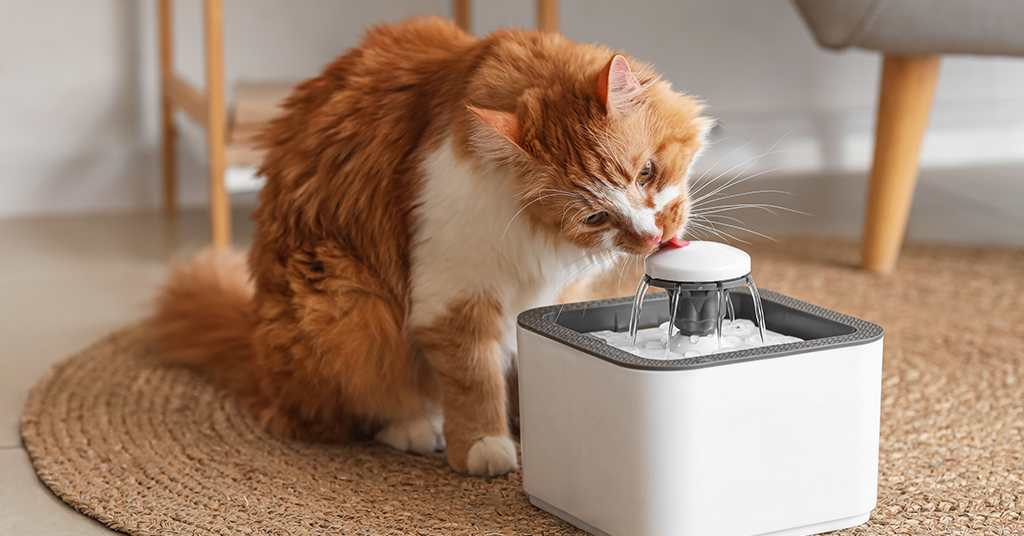
Because cats can be particular about how and where they drink, small changes to their setup often make a noticeable difference. Try placing several water bowls around the house, away from the litter box and food dishes. Many cats prefer wide, shallow bowls that don’t brush their whiskers, and some drink more from a flowing pet fountain. Refresh water daily and wash bowls often, since cats may refuse water that smells stale.
Diet matters too. Talk with your veterinarian about whether adding canned or wet food makes sense for your cat, since moist diets provide a meaningful share of daily water intake. During hot months, keep indoor spaces cool and make sure outdoor cats have shade and fresh water.
Finally, schedule routine exams. Senior wellness screenings can detect kidney disease, hyperthyroidism, and diabetes early, often before cat dehydration becomes a problem.
Supporting Your Cat’s Hydration With Montgomery Veterinary Associates
Cat dehydration often develops quietly, so knowing the signs and the conditions behind them helps you act before a minor issue turns into an emergency. Changes in appetite, energy, gums, or litter box habits are all worth noting and sharing with your veterinarian.
Montgomery Veterinary Associates provides wellness exams, diagnostic testing, and hospital care for cats throughout Montgomery and the River Region. Whether your cat needs a hydration check, senior screening, or help managing a chronic condition, our team is ready to partner with you. Give us a call to schedule a visit and give your cat the support they need to feel their best.