

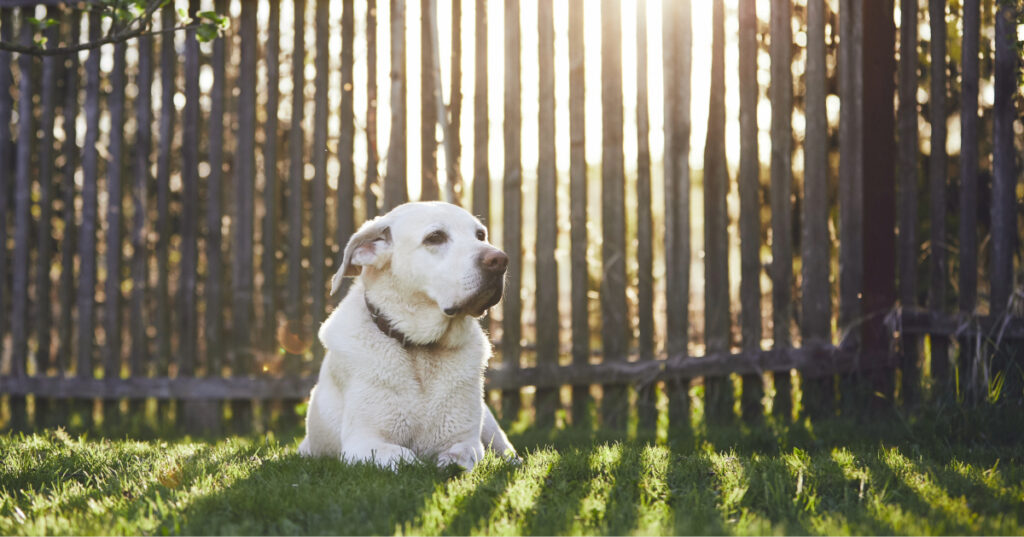
Can dogs get sunburn? Yes, dogs can absolutely get sunburned, and it happens more often than most Montgomery pet owners realize, especially in dogs with light or thin coats, pink skin, or short hair that leaves them exposed during long days outside. Sunburn in dogs isn’t just a cosmetic issue; repeated sun exposure can lead to painful skin damage and, over time, increases the risk of skin cancer. At Montgomery Veterinary Associates, we treat sunburned dogs, and many owners are genuinely surprised to learn their dog was at risk in the first place.
Which Dogs Are Most at Risk of Sunburn?
Just like people, some dogs are far more vulnerable to sun damage than others. Understanding your dog’s individual risk factors is the first step in preventing painful sunburn before it happens.
Coat Color and Thickness
Dogs with white or light-colored, thin coats have less natural pigment and less hair density to block UV rays, making their skin more vulnerable to burning. Breeds like Dalmatians, White Boxers, Bull Terriers, and light-coated Pit Bulls are frequently affected.
Short or Sparse Fur
Dogs with naturally short or sparse coats, including Greyhounds, Whippets, and Chinese Cresteds, have less fur coverage protecting their skin from direct sun exposure, particularly along the back, belly, and ears.
Pink or Light Skin
Areas of pink or unpigmented skin, common on the nose, ear tips, belly, and around the muzzle, are especially prone to sunburn because they lack the melanin that provides natural sun protection.
Recently Shaved or Groomed Dogs
A dog who has been recently shaved, particularly heavy-coated breeds groomed for summer, temporarily loses the sun protection their coat normally provides, leaving newly exposed skin vulnerable until the coat grows back.
What Does Sunburn in Dogs Look Like?
Recognizing sunburn early makes a real difference in how quickly and comfortably your dog recovers. Sunburned skin in dogs shares many similarities with sunburned skin in people, though it can be easy to miss under fur.
Early Signs of Sunburn
In the early stages, sunburned skin typically appears red or pink, may feel warm to the touch, and your dog might seem sensitive or flinch when the area is touched. This is most noticeable on the nose, ear tips, belly, and any other lightly furred or unpigmented areas.
More Advanced Sunburn Symptoms
- Visible redness or a rash-like appearance on exposed skin
- Skin that feels hot or looks swollen
- Flaking, peeling, or dry patches as the burn progresses
- Blistering in more severe cases
- Noticeable discomfort when the area is touched or when lying down
If your dog is showing blistering, open sores, or seems to be in significant pain, that level of sunburn warrants a call to Montgomery Veterinary Associates rather than waiting it out at home.
How Quickly Can a Dog Get Sunburned?
Dogs with high-risk coats and skin can develop sunburn faster than many owners expect, sometimes within a single afternoon of unprotected exposure during peak sun hours. Because Montgomery summers bring intense, prolonged sunshine, even a few hours in the yard without shade can be enough for a vulnerable dog to burn, particularly between late morning and mid-afternoon when UV rays are strongest.
Can Dog Sunburn Lead to Bigger Health Problems?
Beyond the immediate pain and discomfort, repeated sunburn in dogs carries longer-term risks that pet owners should take seriously. Chronic sun exposure and burning can contribute to the development of skin cancers, including squamous cell carcinoma and hemangiosarcoma, particularly on thinly furred, sun-exposed areas like the belly, nose, and ear tips. Dogs with a history of repeated sunburn should have their skin checked regularly by a veterinarian, since early detection of any suspicious changes gives the best outcome.
Signs to Monitor Long-Term
- New lumps, sores, or growths on sun-exposed skin
- Skin discoloration that doesn’t resolve
- Sores that won’t heal or keep recurring in the same spot
- Crusty or scaly patches that persist over time
How Can I Protect My Dog From Sunburn?
The good news is that sunburn in dogs is highly preventable with a few consistent habits, especially during the hottest, sunniest months here in Montgomery. These include:
- Limit outdoor time during peak UV hours, generally between 10 a.m. and 4 p.m.
- Provide accessible shade in the yard, whether from trees, a covered patio, or a shade structure
- Use a pet-specific sunscreen on high-risk areas like the nose, ears, and belly; human sunscreen can contain ingredients that are unsafe for dogs
- Consider lightweight, UV-protective clothing for dogs with thin or light coats
- Avoid shaving double-coated breeds too closely, since their coat provides natural insulation and sun protection
What About Sunscreen for Dogs?
If you choose to use sunscreen, look specifically for products formulated and labeled for use on dogs, and apply it to exposed, lightly pigmented areas about 20 minutes before your dog goes outside. Reapplication is often needed after swimming or heavy activity. Ask our team at Montgomery Veterinary Associates for product recommendations if you’re unsure what’s safe for your dog’s skin type.
What Should I Do If My Dog Already Has Sunburn?
If you notice redness, warmth, or sensitivity after a day outdoors, the priority is getting your dog out of the sun immediately and into a cool, shaded, or indoor space. Because it’s important not to apply home treatments without guidance, especially with sensitive or already-irritated skin, the safest next step is a call to your veterinary team to determine whether the burn needs to be seen in person. This is particularly true if your dog is showing signs of blistering, significant swelling, or visible pain.
Protecting Your Dog’s Skin Through Every Montgomery Summer
Sunburn in dogs is one of those risks that’s easy to overlook simply because we don’t always think of our pets as sunburn-prone the way we think of ourselves. But for light-coated, short-haired, or pink-skinned dogs, sun protection deserves the same attention as flea and tick prevention. Montgomery Veterinary Associates is here to help you identify whether your dog falls into a higher-risk category and to build simple, practical habits that keep their skin healthy all season long. If you’ve noticed redness, sensitivity, or changes in your dog’s skin after time outdoors, call us today or book an appointment online. We’re always glad to take a look.